
One Bill, Multiple Languages: Align Trip Settlement Faster
In multilingual groups, settlement delays often come from interpretation gaps, not from calculation errors. Different members understand UI text differently and ask repeated clarification questions.
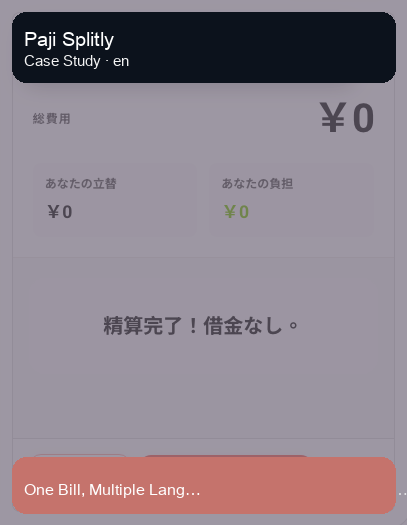
This case shows a practical Paji Splitly approach: keep one shared bill, let each member switch to their preferred language, and align payment decisions through the same Settlement output.
Multilingual settlement works best when language is personalized but data stays unified. The objective is one version of truth with lower reading friction.
A Multilingual Trip Team Needing Same-Day Alignment
In a 5-person group using three languages, switching UI language within the same bill cut rule-alignment time from 20 minutes to 8.
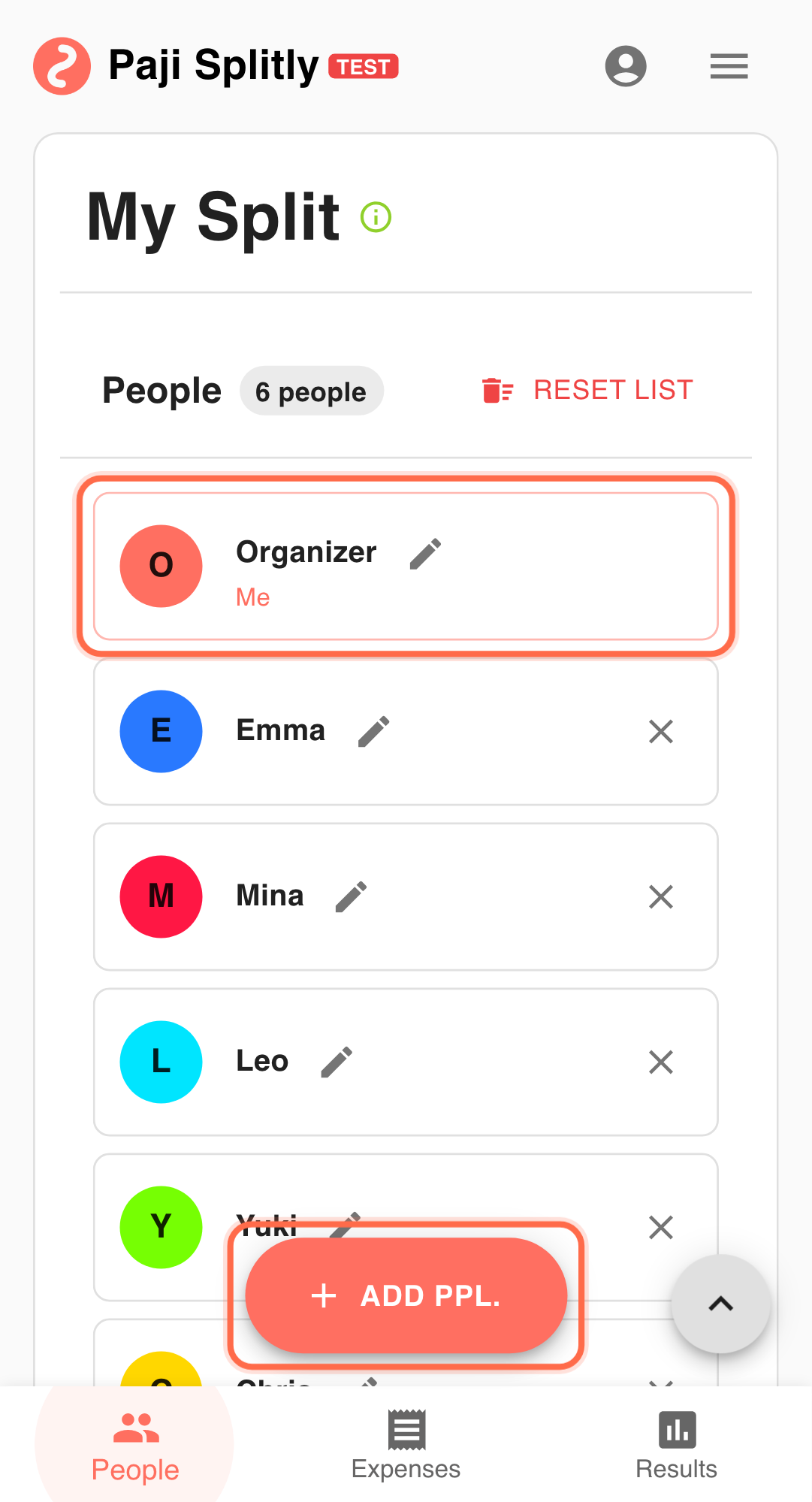
A 6-person international trip:
- Some members prefer Chinese, others English or Japanese.
- Everyone edits the same bill.
- The team wants fewer language-related misunderstandings.
A One-Bill, Multi-Language Alignment Flow
-
Record expenses in one shared bill Maintain one source of truth. Without this, language switching cannot prevent version drift. In live workflows, a 3-minute threshold works well; beyond that, stale or duplicated lines are usually involved.
-
Each member switches to their preferred language Interface wording changes, but underlying data stays the same. Ask members to verify key fields first after switching, to avoid UI interpretation mismatch.
-
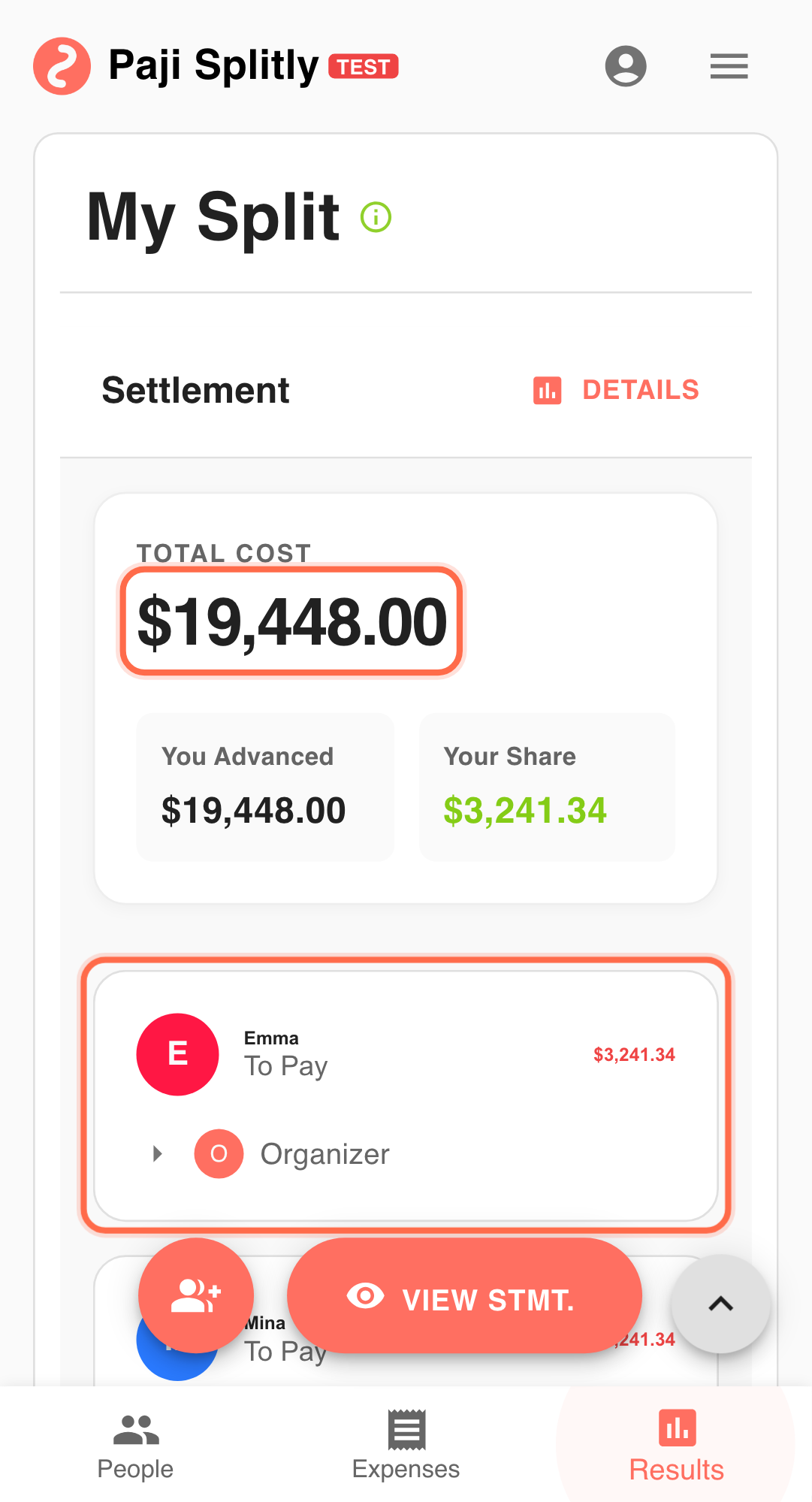
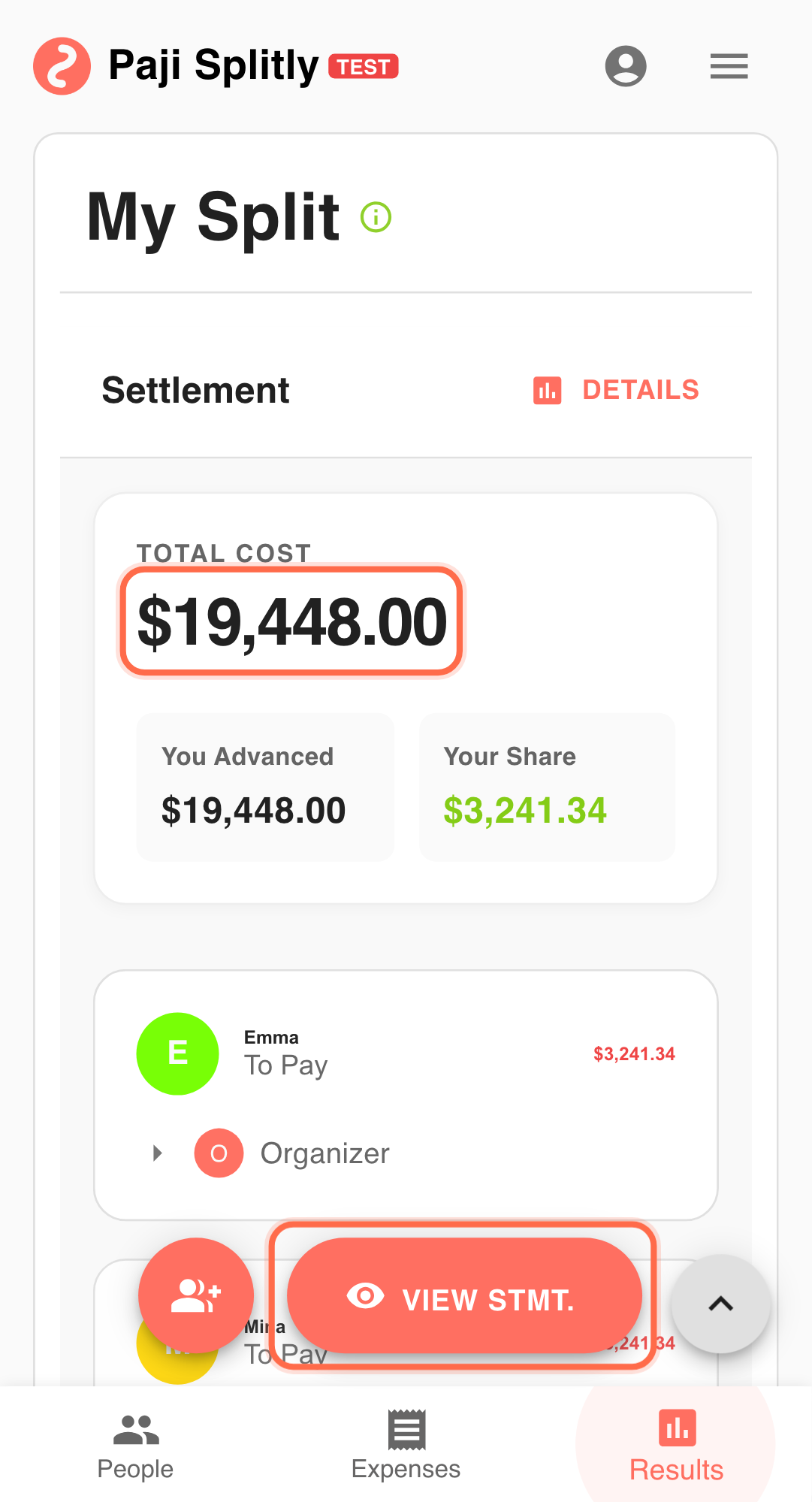
Review "Settlement" together Confirm payer/payee directions and amounts from one consistent output. Confirm "who pays whom" first, then resolve wording questions if needed.
-
Use "Settlement Statement" for remote members People not physically present can still validate the same result version. This is especially useful across time zones where chat summaries get fragmented.
-
Execute transfers from that shared version Avoid parallel interpretations from chat translations. If a revision is needed, announce version time and delta clearly in one message.
Why Language Switching Improves Settlement Speed
- Same data, personalized readability.
- Fewer translation handoffs.
- Faster agreement on final payments.
- Less dependence on one bilingual member as a translation bottleneck.
Execution Tips for Multilingual Groups
- Tip 1: Ask everyone to switch language before final review.
- Tip 2: During confirmation, focus on numbers and payee names first.
- Tip 3: Share the statement link in group chat to minimize re-explaining.
- Tip 4: Use recognizable labels (date/store) for key items to improve cross-language traceability.
Final Cross-Language Consistency Check
- Have at least one member in each language verify that settlement directions read correctly in their UI — a misread "A pays B" vs. "B pays A" across languages can cause wrong transfers.
- Confirm the Settlement Statement link renders the same totals regardless of which language the viewer is using.
- Check that item descriptions entered in one language (e.g., Chinese store names) are still recognizable to members reading in another language; add a parenthetical translation if needed.
Messaging Pattern That Scales Across Languages
- When posting payment instructions in group chat, include the amount and payee name in numerals and Latin characters so they are unambiguous across languages (e.g., "Pay A: $320").
- Ask each member to reply with a short confirmation in their own language — understanding does not require a shared language, just a clear "confirmed" signal.
- If a member raises a question in a language others cannot read, the bilingual coordinator should translate the concern before the group discusses amounts.
The Core Problem Is Interpretation Friction
Multilingual settlement succeeds when comprehension friction is low. Language switching plus a shared result view helps teams align quickly without duplicating communication work.
Common Multilingual Risks and Mitigations
- Risk 1: A member misreads the payment direction in their language and transfers money the wrong way. Mitigation: during the final review call, read out "A pays B: $X" in plain numerals and have each payer confirm verbally before transferring.
- Risk 2: One bilingual member becomes the sole translator, creating a bottleneck that delays the entire settlement. Mitigation: share the Settlement Statement link so every member can read the result in their own language independently.
- Risk 3: Item names entered in one script (e.g., Chinese characters) are unrecognizable to members reading in English or Japanese, leading to disputes about what was split. Mitigation: use recognizable labels like dates, store types, or amounts alongside native-language descriptions.